A thinker who bridged psychology, symbolism, and the human search for meaning.
Who was Carl Gustav Jung?
Who was Carl Gustav Jung?
Who was Carl Gustav Jung?
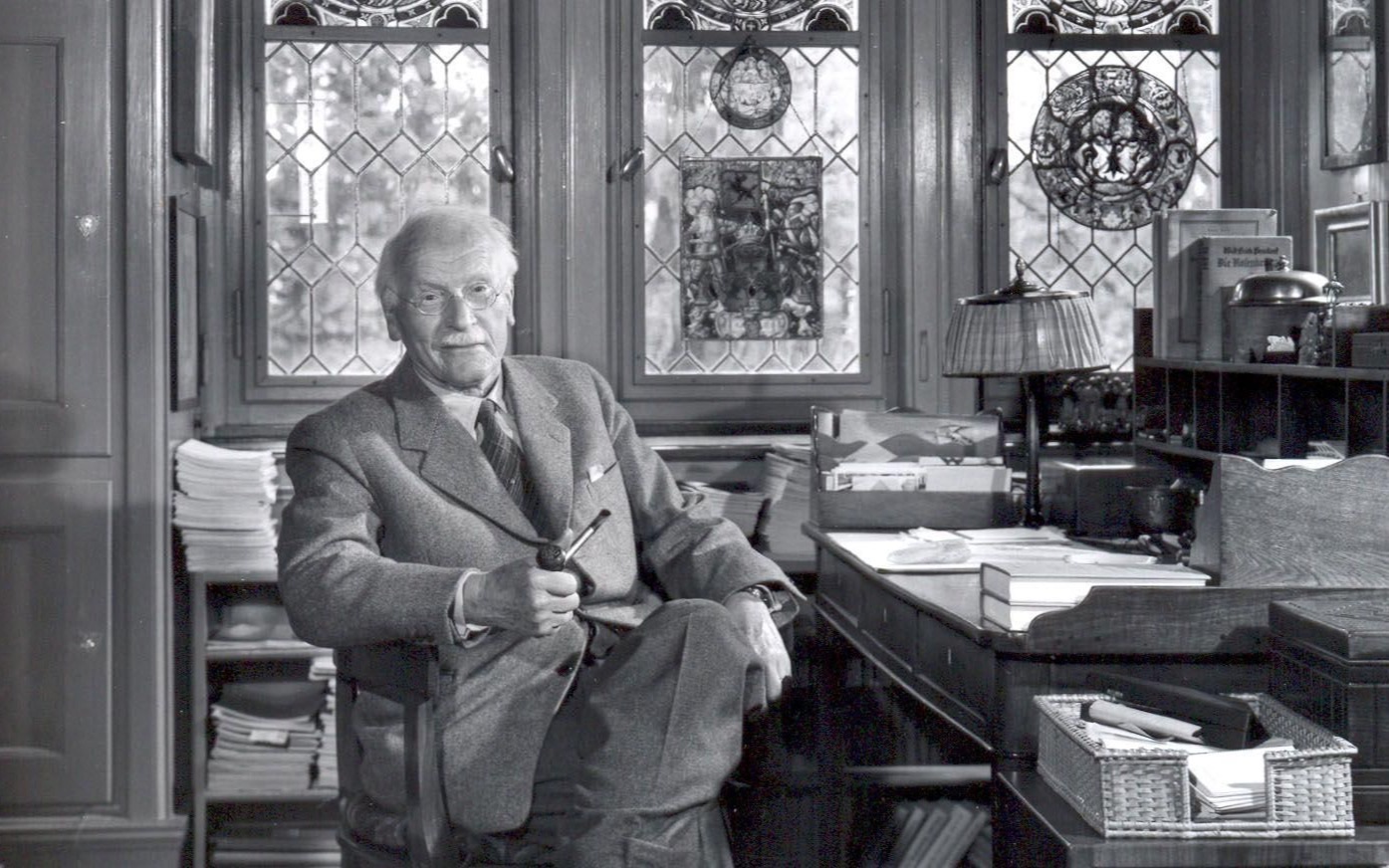
Carl Gustav Jung was a Swiss psychiatrist and the founder of Analytical Psychology. His work reshaped how we understand the human psyche, expanding beyond personal experience into deeper layers of the unconscious.
Originally a collaborator of Sigmund Freud, Jung later developed his own framework — introducing concepts such as the collective unconscious, archetypes, and the process of individuation.
His approach combined psychology with philosophy, mythology, and cultural studies, offering a richer and more symbolic understanding of human experience.
1875
Early life & education
1875
Early life & education
Early life & education
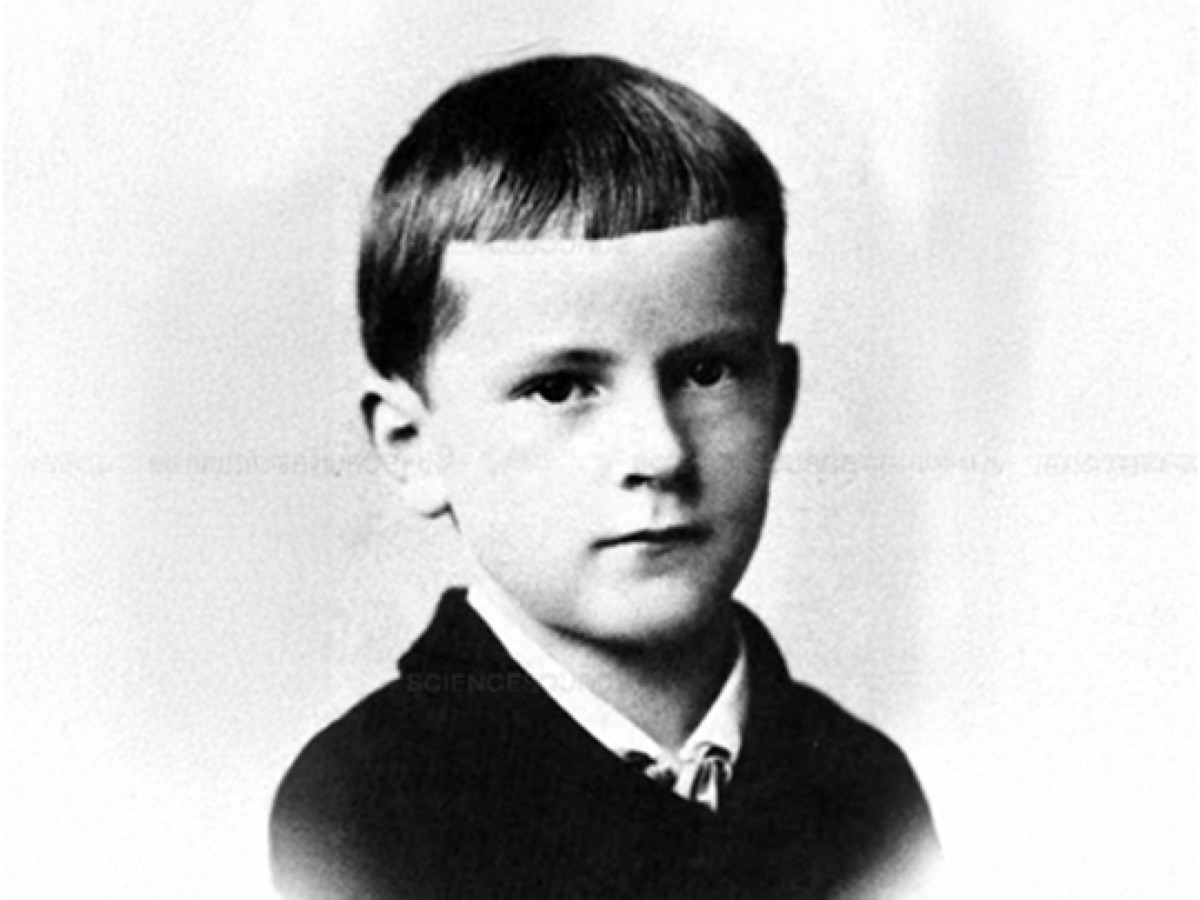
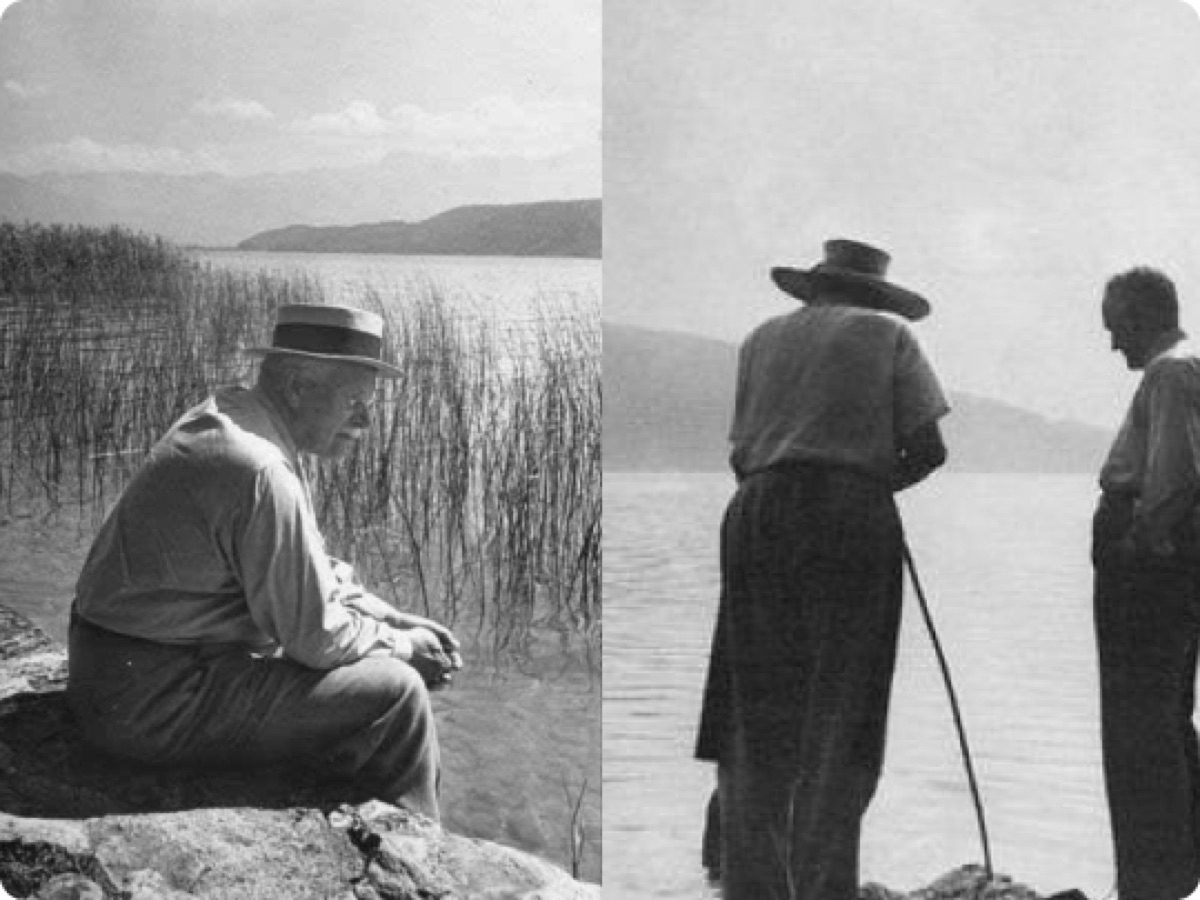
Carl Gustav Jung was born in Kesswil, a small village near Lake Constance in northern Switzerland. His father served as a Swiss Reformed pastor, and his mother came from a family of pastors in the Basel region.
Jung later drew on formative childhood experiences in developing his psychological theories, including his sense of possessing two distinct aspects of personality — one that identified with ordinary Swiss life and another that felt deeper and older — as well as unsettling dynamics within his family, particularly in relation to his mother.
He studied medicine at the University of Basel, graduating in 1900. His dissertation on somnambulistic (mediumistic) phenomena introduced ideas that would become central to his later work, especially his view that the psyche strives toward future development and new aims rather than being solely determined by earlier life events.
1906
Burghölzli Psychiatric Hospital
Burghölzli Psychiatric Hospital
1906
Early career & complexes
Burghölzli Psychiatric Hospital
Burghölzli Psychiatric Hospital
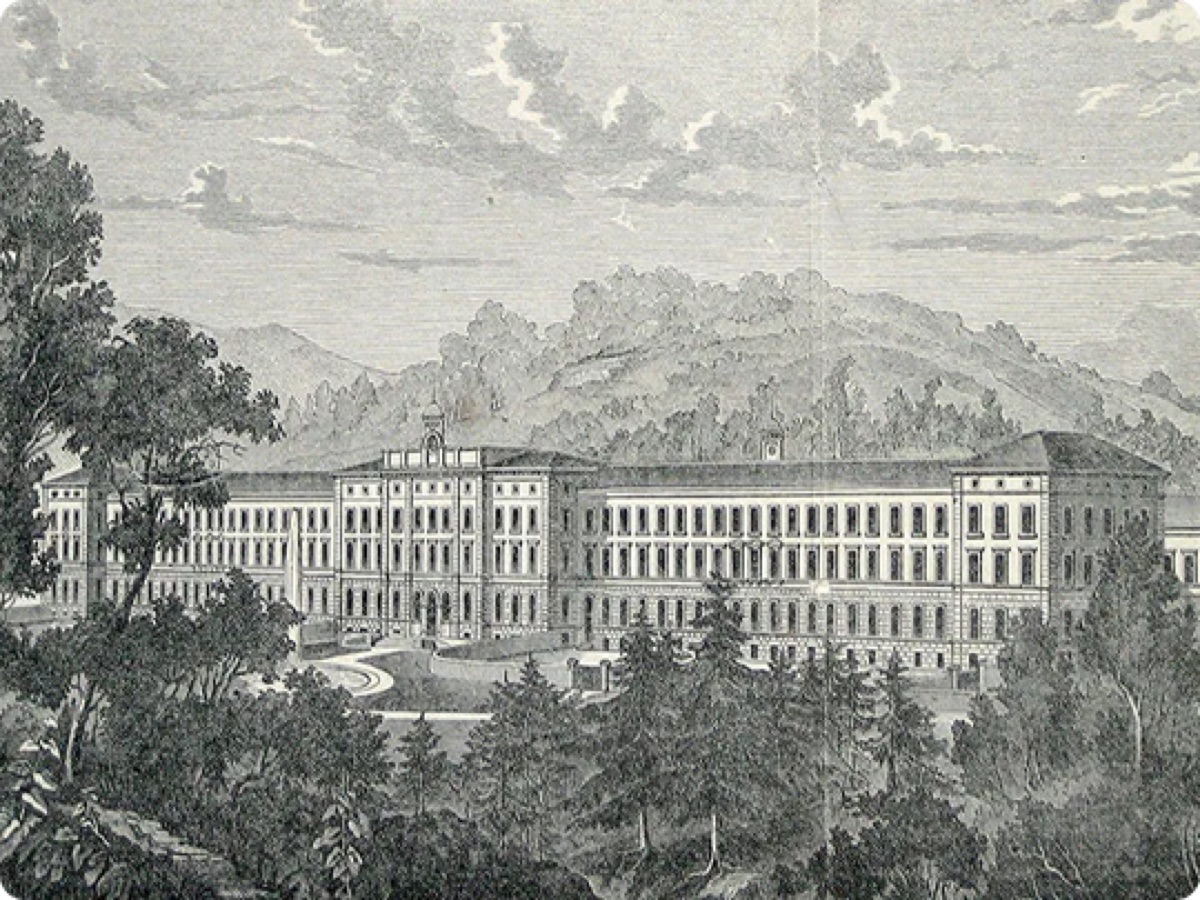
After completing his education, Jung joined the Burghölzli psychiatric hospital in Zurich under Eugen Bleuler, then regarded as Europe's leading psychiatrist.
There he became closely involved in research using the word-association test, devising innovative methods for measuring physiological responses to stimulus words.
This work established him early as a prominent figure in psychiatry and helped shape his emerging theory of complexes, which later became fundamental to his clinical approach.
In 1906, after reading The Interpretation of Dreams and other writings by Sigmund Freud, Jung initiated a correspondence with Freud that developed into an intense and consequential professional relationship.
1911
Carl Jung and Sigmund Freud
Carl Jung and Sigmund Freud
1911
Relationship with Freud
Carl Jung and Sigmund Freud
Carl Jung and Sigmund Freud
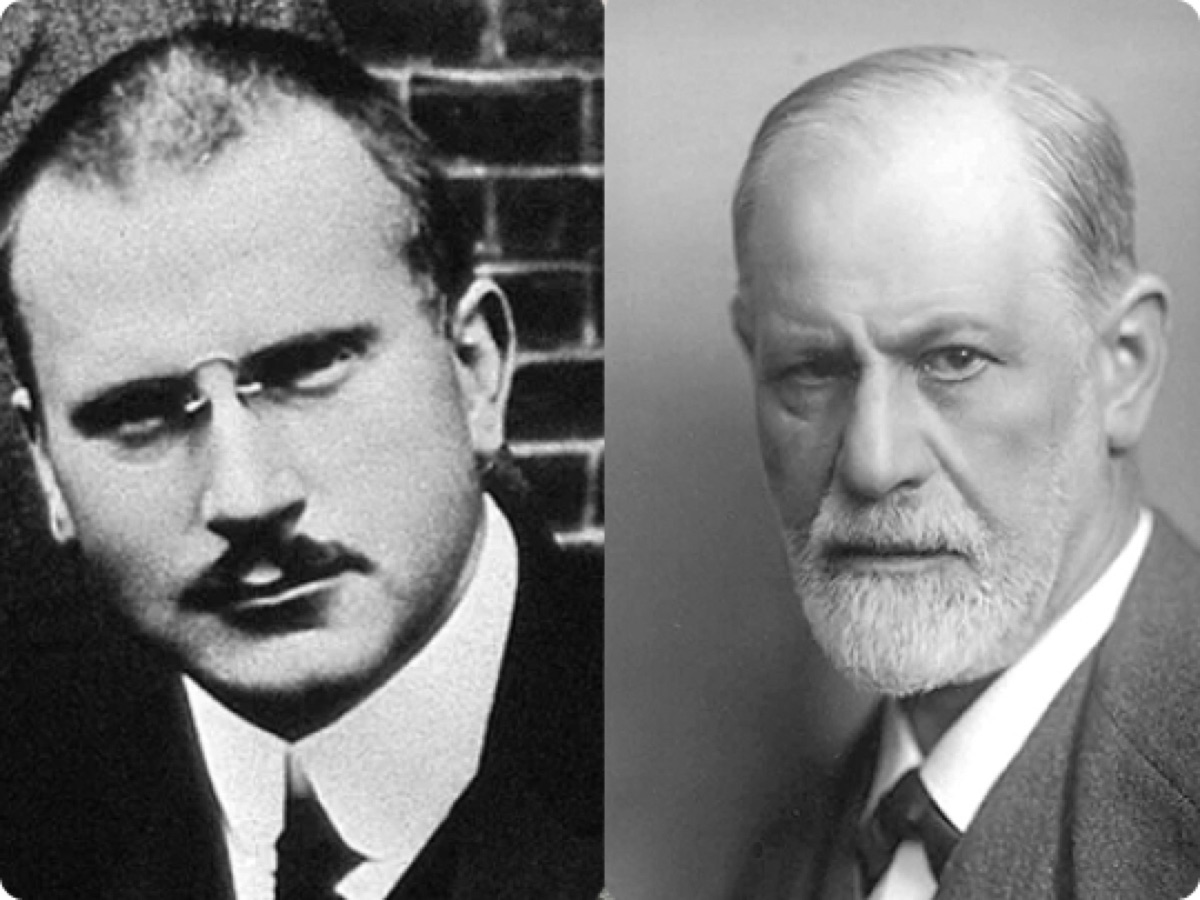
Although Freud was nearly twenty years Jung's senior, the two formed a close alliance. Freud described Jung as the “crown prince” and presumed successor of psychoanalysis, while Jung became a leading advocate for Freud's ideas amid skepticism and hostility from the medical establishment.
From the outset, however, substantial differences were apparent — particularly concerning the nature of the unconscious, the significance of extraordinary phenomena, and appropriate research methods in psychoanalysis.
By 1911, tensions escalated as Jung proposed theoretical revisions Freud could not accept, and in 1913 their relationship ended decisively, with both men pursuing separate intellectual paths.
1913
Inner exploration & The Red Book
1913
Inner exploration & The Red Book
Inner exploration & The Red Book
Following the split, Jung entered a sustained period of self-examination and intensive exploration of the unconscious.
This interval has sometimes been portrayed as a near-psychotic episode, though contemporary scholarship rejects the most extreme interpretations and finds no clear evidence of psychosis.
What is indisputable is the importance of the work Jung conducted between roughly 1913 and 1916, when he engaged in deep reflective and meditative practices that generated vivid imagery and elaborate inner narratives.
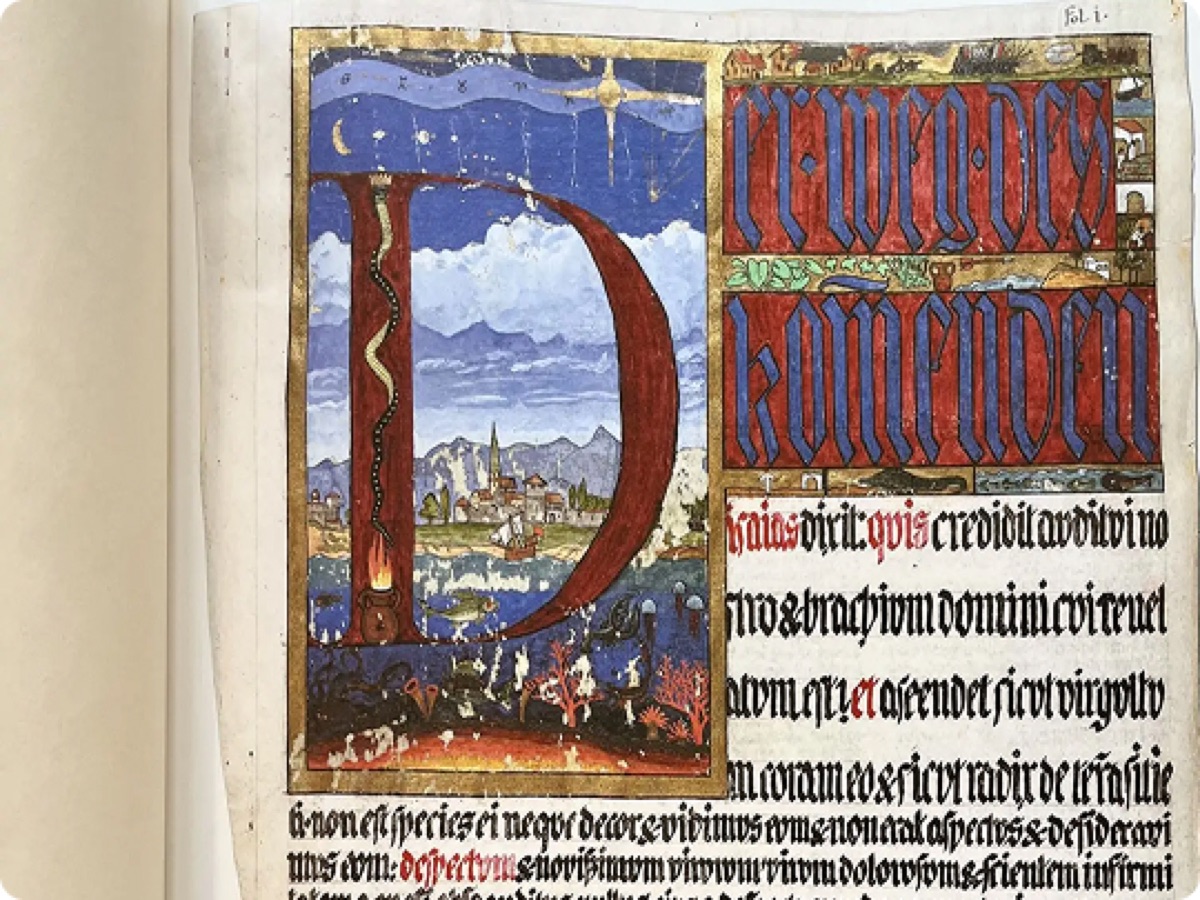
He recorded these experiences almost daily, material that became the basis of The Red Book, which he continued to refine and illustrate into the early 1930s.
From this period Jung articulated key elements of his later clinical perspective, including “active imagination,” which he regarded as a central mechanism of the psyche.
1920
Development of theory
1920
Development of theory
Development of theory
At the same time, Jung advanced a systematic theory of personality, partly in an effort to understand the irreconcilable differences that had emerged between himself and Freud.
This work culminated in Psychological Types (1921), one of the earliest comprehensive personality theories and a major influence on later typological assessments, including the Myers–Briggs Type Indicator.
Alongside typology and active imagination, Jung elaborated core components of his model of the unconscious, notably the collective unconscious and its archetypal contents.
Travels & spiritual perspective
Throughout the 1920s, Jung deepened his investigation of the collective unconscious through clinical practice in Zurich and extensive travel in North America, Africa, and Asia. His writings from this period underscore his conviction that spiritual experience is integral to psychological health. In Jung's view, a religious orientation — regardless of its specific form — belongs to the structure of the psyche and is essential not only to well-being but also to the movement toward psychological wholeness, a process he termed individuation.
1933
Controversy & the Nazi period
1933
Controversy & the Nazi period
Controversy & the Nazi period
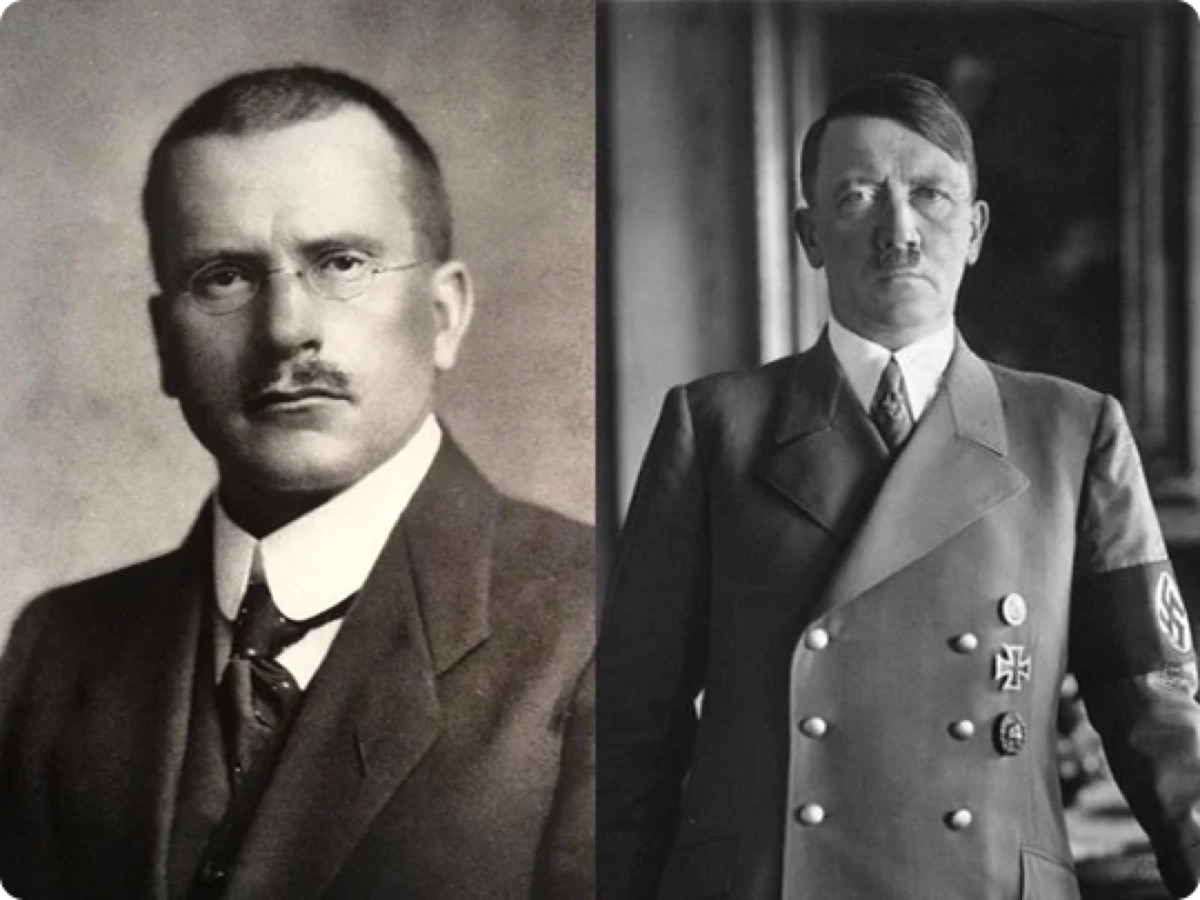
Jung's reputation remains complicated by his actions and statements during the early Nazi period. Between 1933 and approximately 1936 he made remarks and delivered public presentations in Germany that carried unmistakably anti-Semitic implications.
At the same time, he worked to sustain professional structures for psychologists, including Jewish psychologists, who were being forced out of German associations. This phase of his life is both paradoxical and troubling. By the mid-1930s Jung distanced himself from any association with Nazism, and during World War II he was recruited by Allen Dulles to provide psychological assessments of Nazi leaders.
After the war, Jung expressed regret for his earlier conduct and wrote essays examining the cultural forces that enabled Germany — and Europe more broadly — to descend into catastrophe.
1958
Collaboration with Pauli
1958
Collaboration with Pauli
Collaboration with Pauli
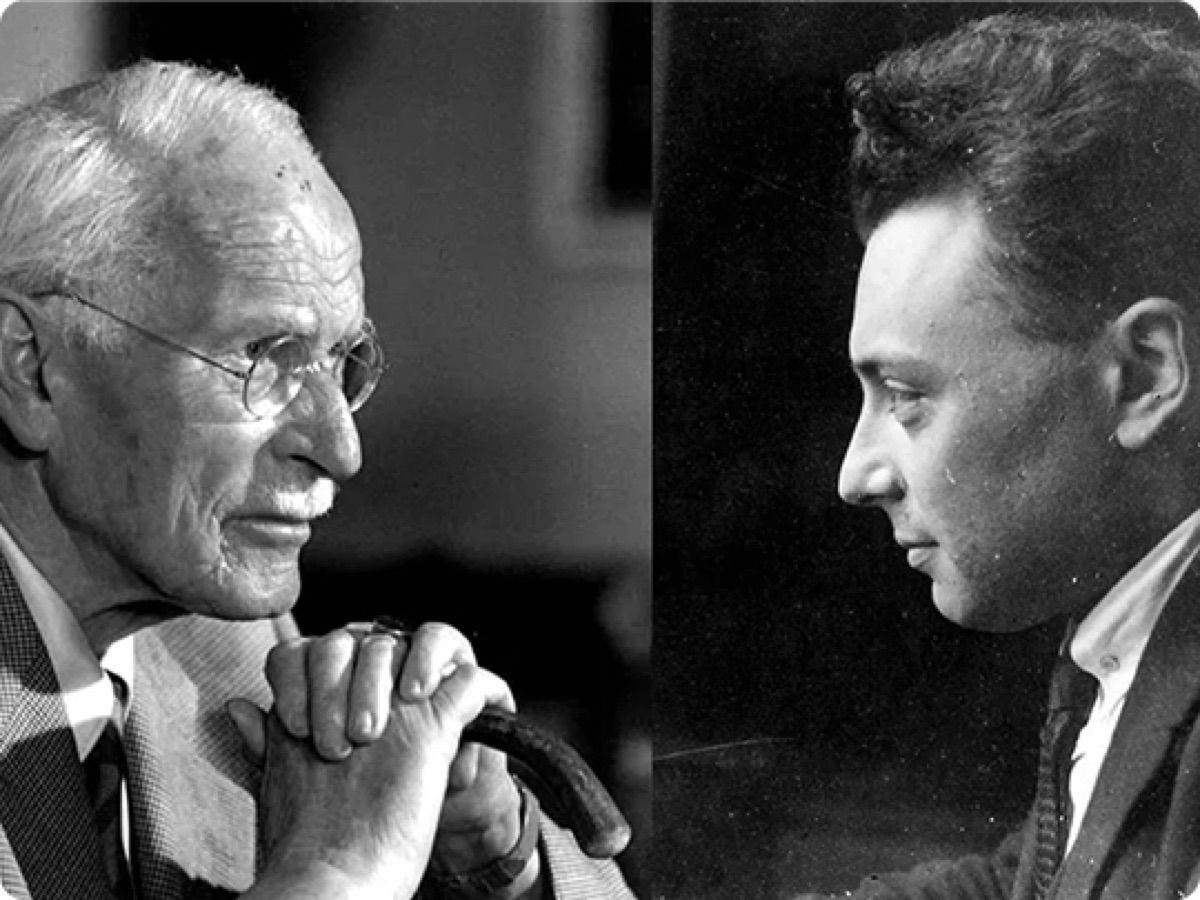
In his later career, Jung's work was significantly shaped by his relationship with the physicist Wolfgang Pauli, a leading figure in quantum mechanics and twenty-five years Jung's junior. Pauli entered treatment in the 1930s amid erratic and self-destructive behavior.
Jung directed Pauli to work with one of his students while materials — especially Pauli's dreams — were collected for Jung's study. This engagement informed one of Jung's major works, Psychology and Alchemy, in which he placed alchemical traditions into dialogue with psychology, interpreting alchemy in part as an attempt to approach psychic processes through material symbolism.
Pauli's dream material often exhibited alchemical themes and influenced Jung's understanding of unconscious structure.
After an interruption during the war, Jung and Pauli resumed direct collaboration following Pauli's return from the United States. Their work contributed to Jung's development of synchronicity, a theory addressing meaningful connections between inner experience and external events.
Pauli's role in this late stage of Jung's thought was substantial, as he was among the few colleagues able to engage Jung as a true collaborator on questions concerning the relationship — and possible unity — of psyche and matter.
The partnership ended with Pauli's death from cancer in 1958, though the intellectual territory they helped define continues to attract interest among both Jungian analysts and some physicists.
1961
Final years & legacy
1961
Final years & legacy
Final years & legacy
Jung died on June 6, 1961, at his home in Küsnacht near Zurich. His wife, Emma, had died in 1955; they were survived by five children and an extended family.
Jung's legacy remains multifaceted and, in some respects, still contested. His influence on psychotherapy — and even on the development of Freud's psychoanalysis — is broader than is often recognized.
Culturally, his impact has been far-reaching: his ideas about personality have shaped not only clinical practice but also organizational and leadership research; concepts such as the collective unconscious and archetypes have become embedded in the interpretation of literature, film, and the arts; and his emphasis on spirituality as a dimension of psychological development influenced movements such as Alcoholics Anonymous and is increasingly acknowledged by clinicians outside the Jungian tradition.
His institutional legacy also continues through the International Association for Analytical Psychology and the worldwide community of analysts affiliated with it.